

 Your brand. Built by Panache.
Edge computing: how to select the hardware
How to decide what to process at the edge, and how to choose gateways, industrial PCs and edge AI hardware that keep running in the field.
What edge computing means
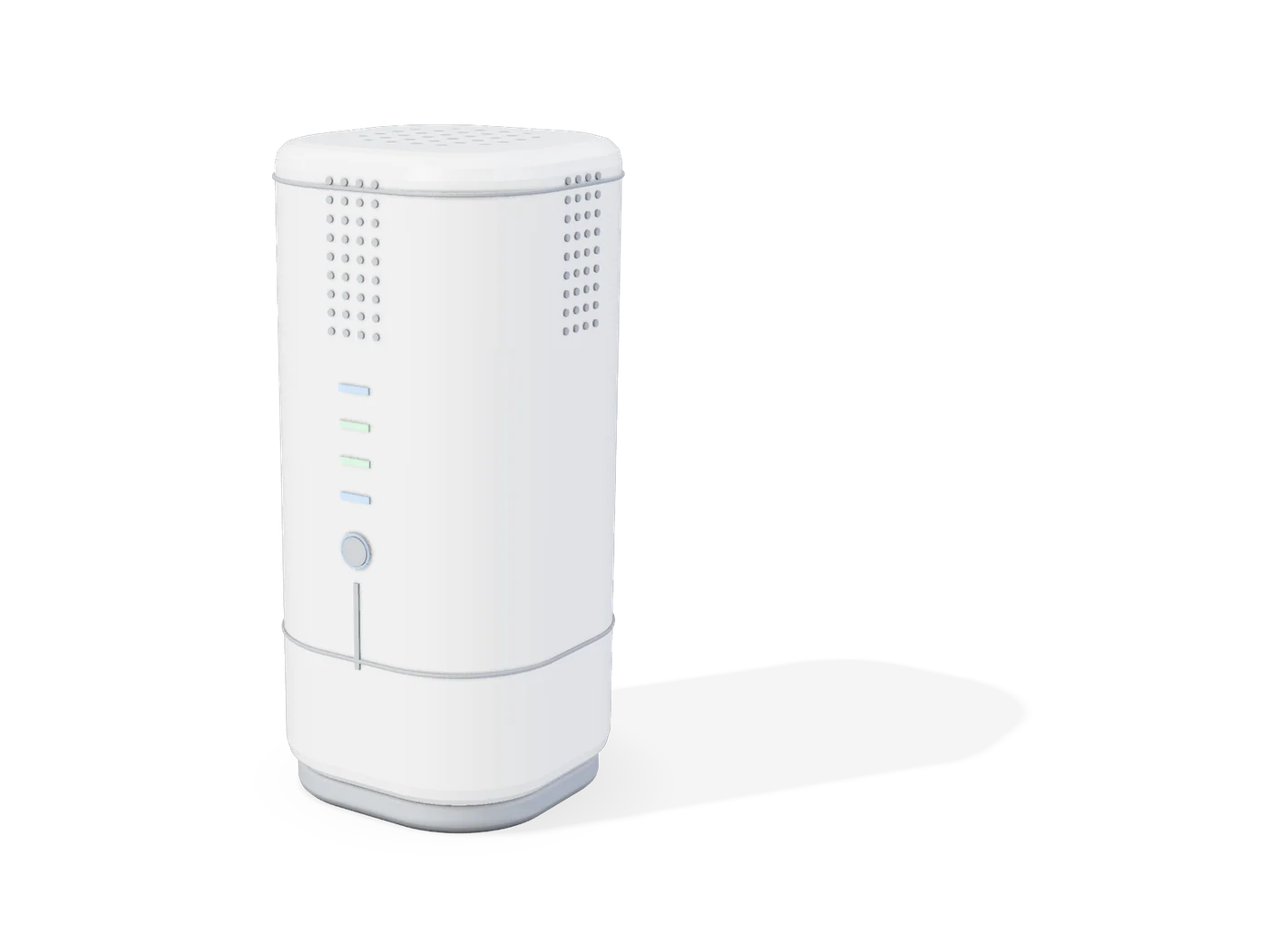
Edge computing processes data close to where it is created, on a gateway, industrial PC or AI box near the sensors and cameras, instead of sending everything to a distant data centre or cloud.
When processing at the edge makes sense
- Latency: a decision is needed in milliseconds, such as stopping a machine or raising an alarm.
- Bandwidth: sending all raw video or sensor data would be too expensive or too slow.
- Privacy: data such as video or health readings should not leave the site.
- Resilience: the system must keep working when the connection drops.
Matching hardware to the job
| Hardware | Typical job |
|---|---|
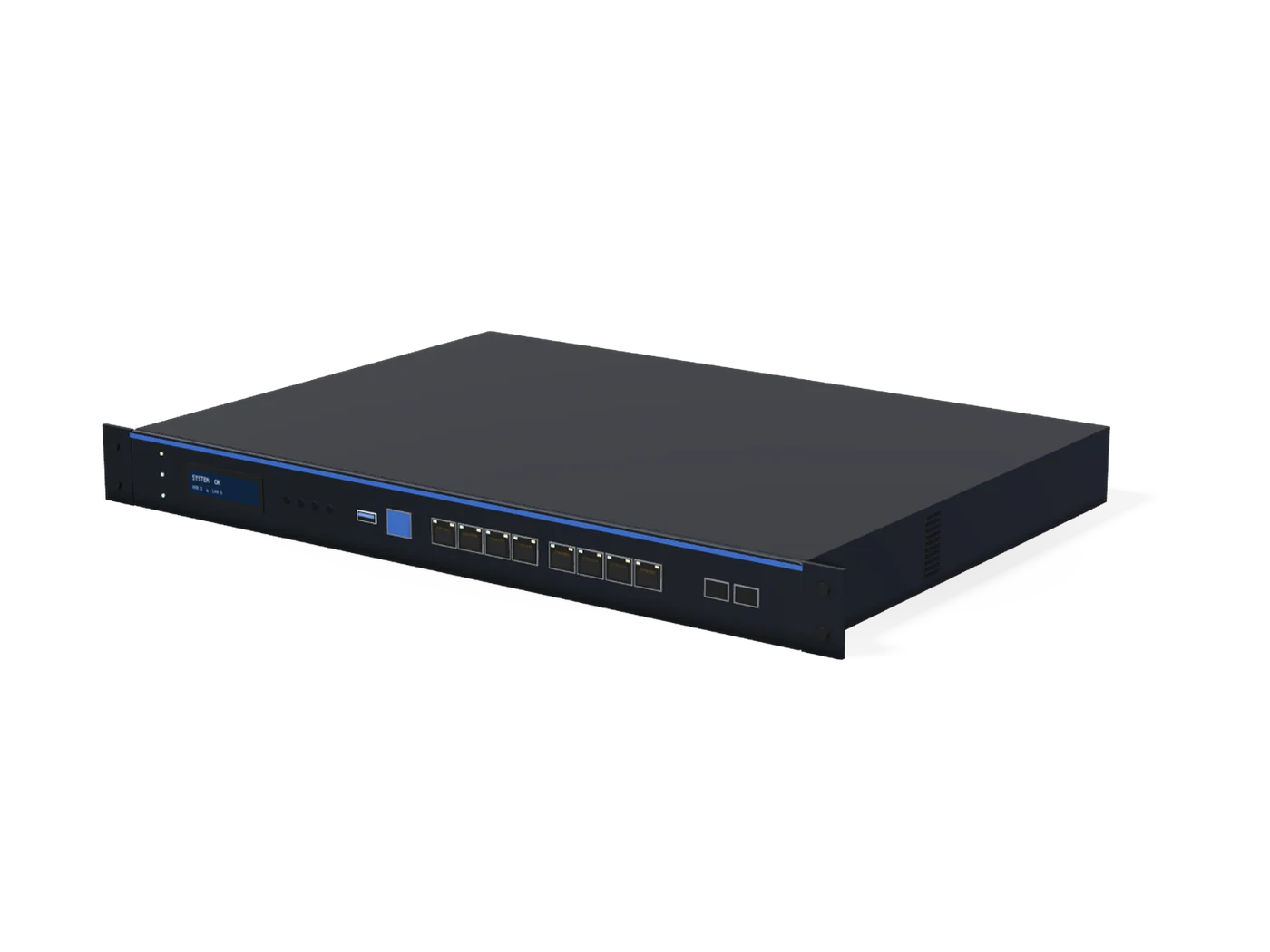
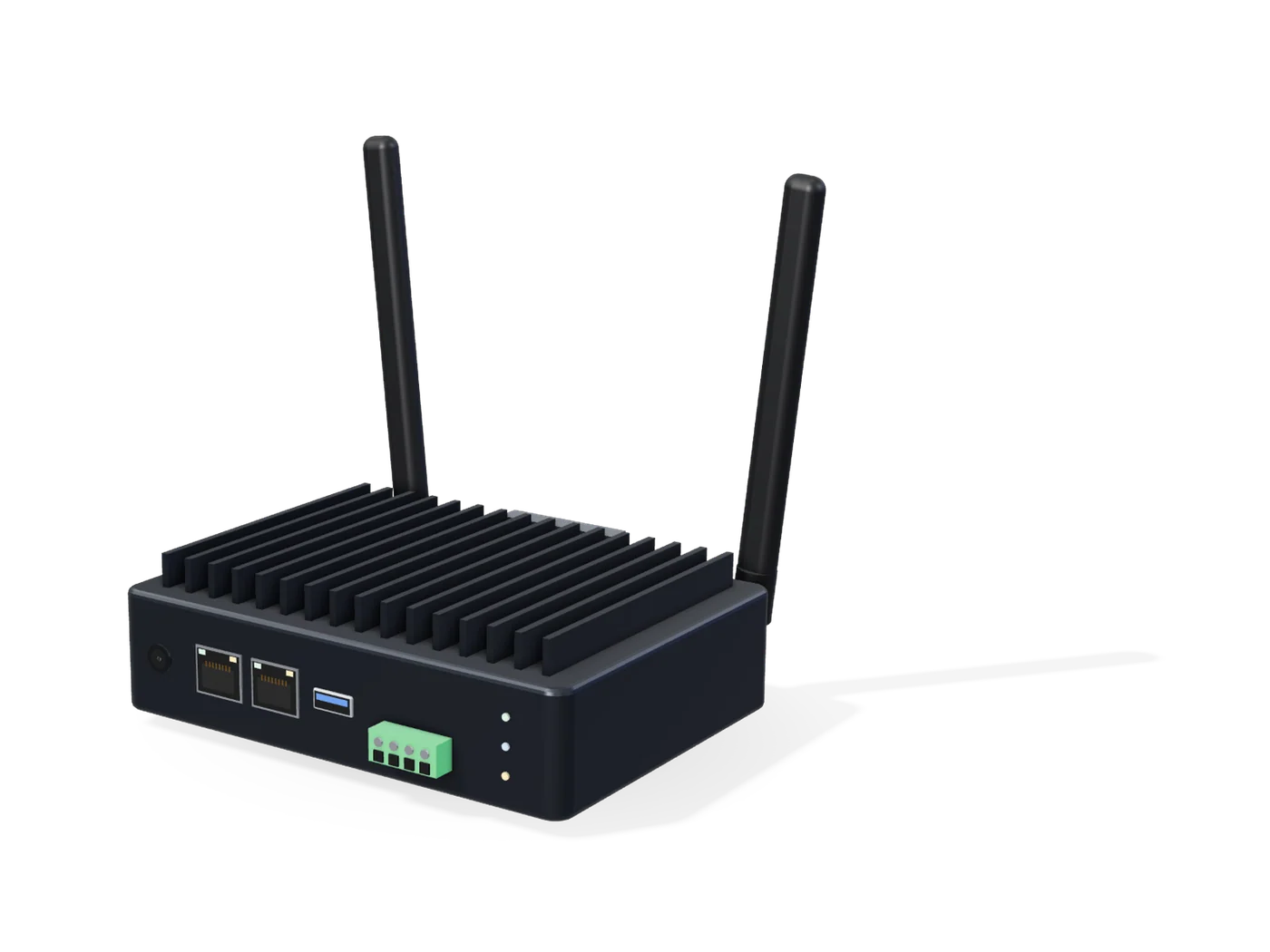
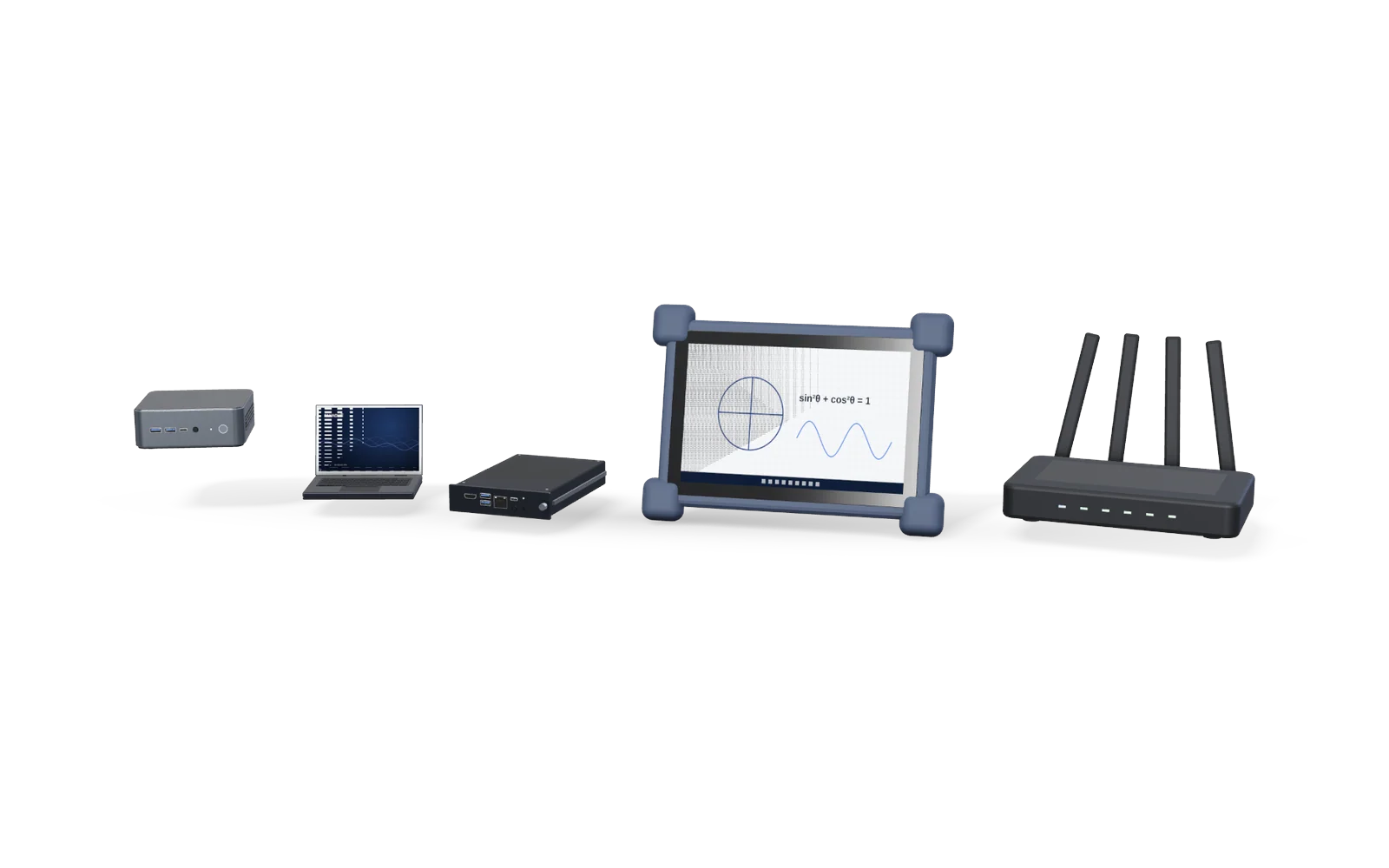
| IoT gateway | Collects sensor data, converts protocols, filters and forwards it |
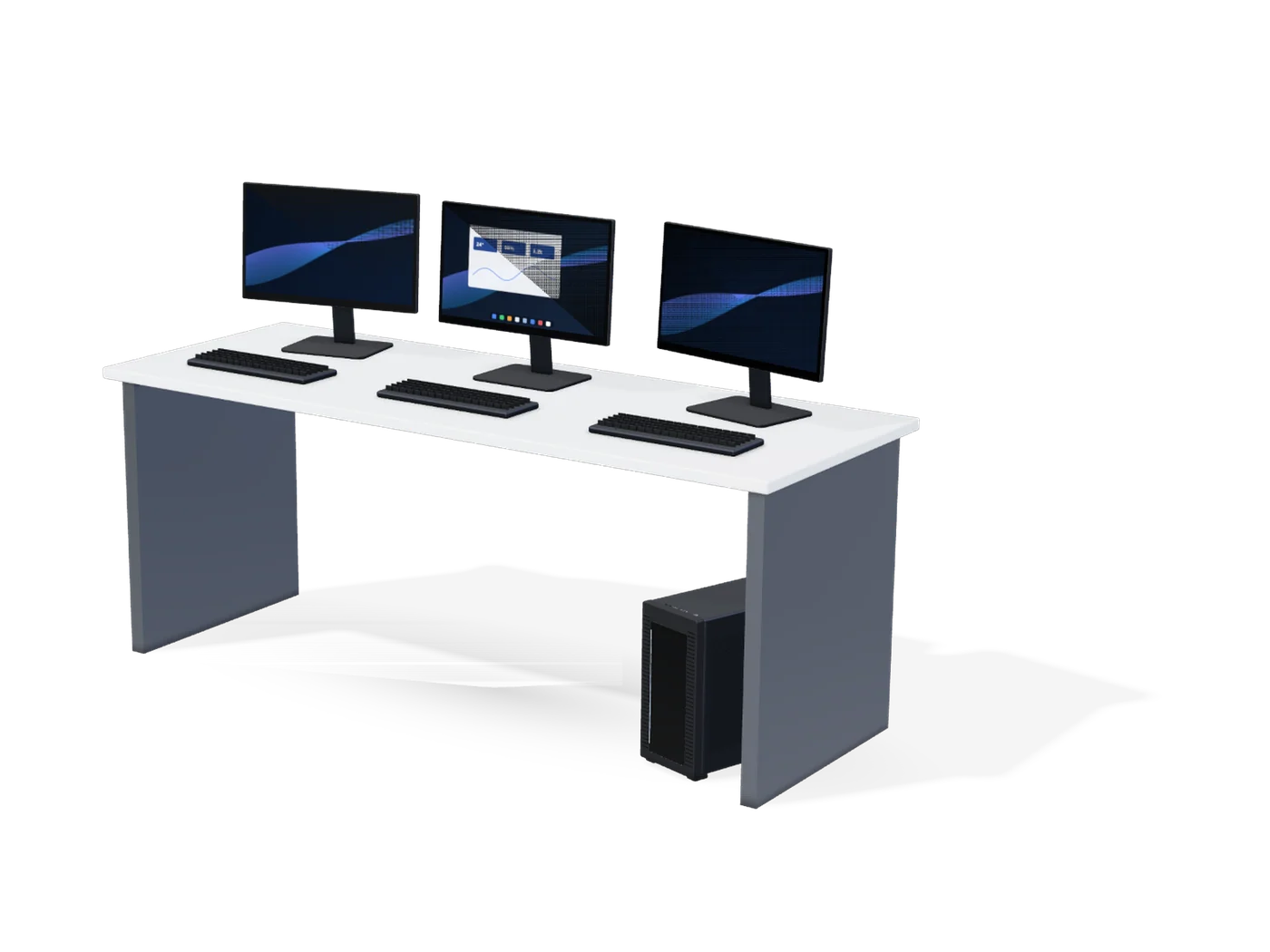
| Industrial / panel PC | Runs control and HMI software on the shop floor |
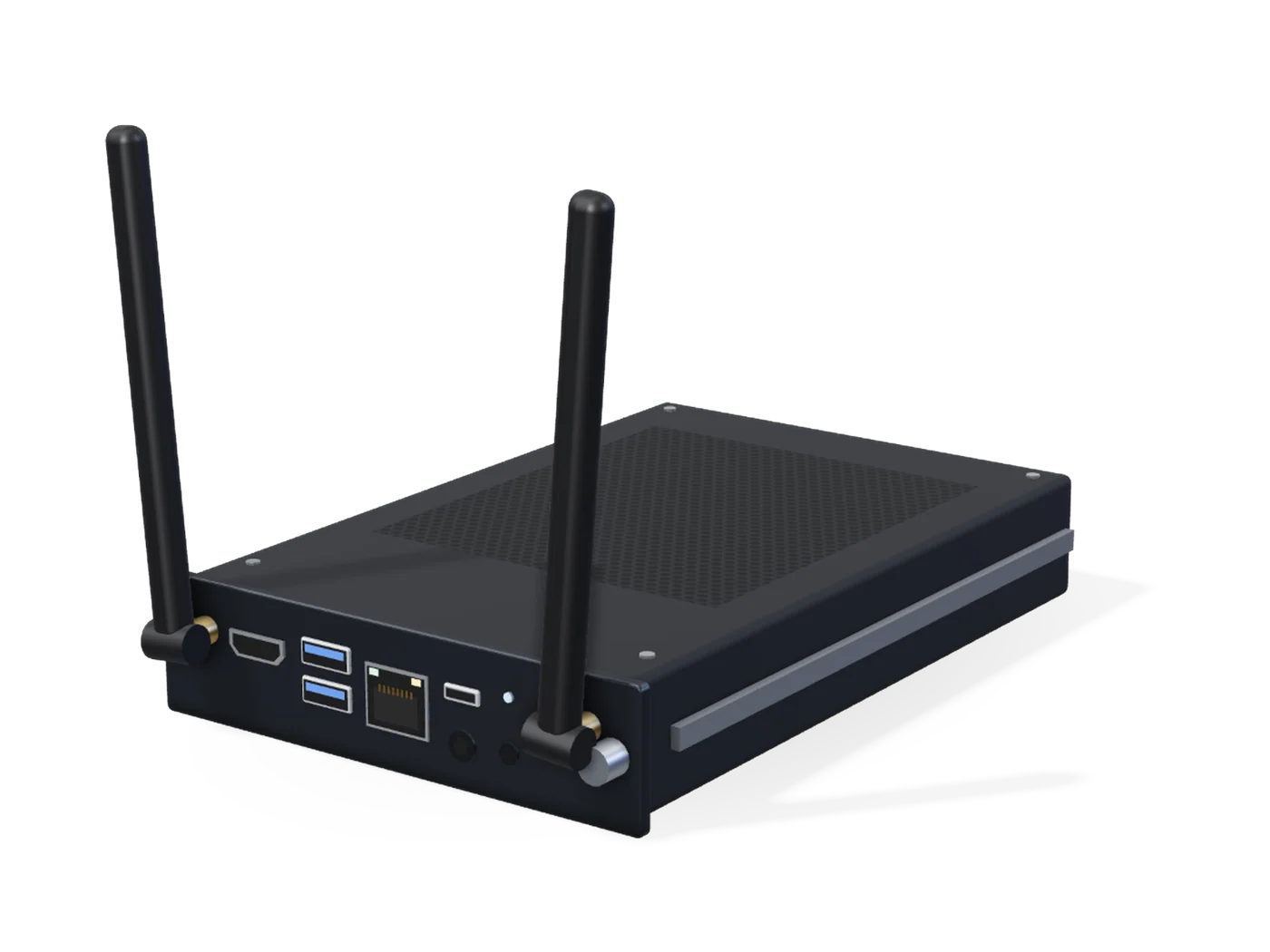
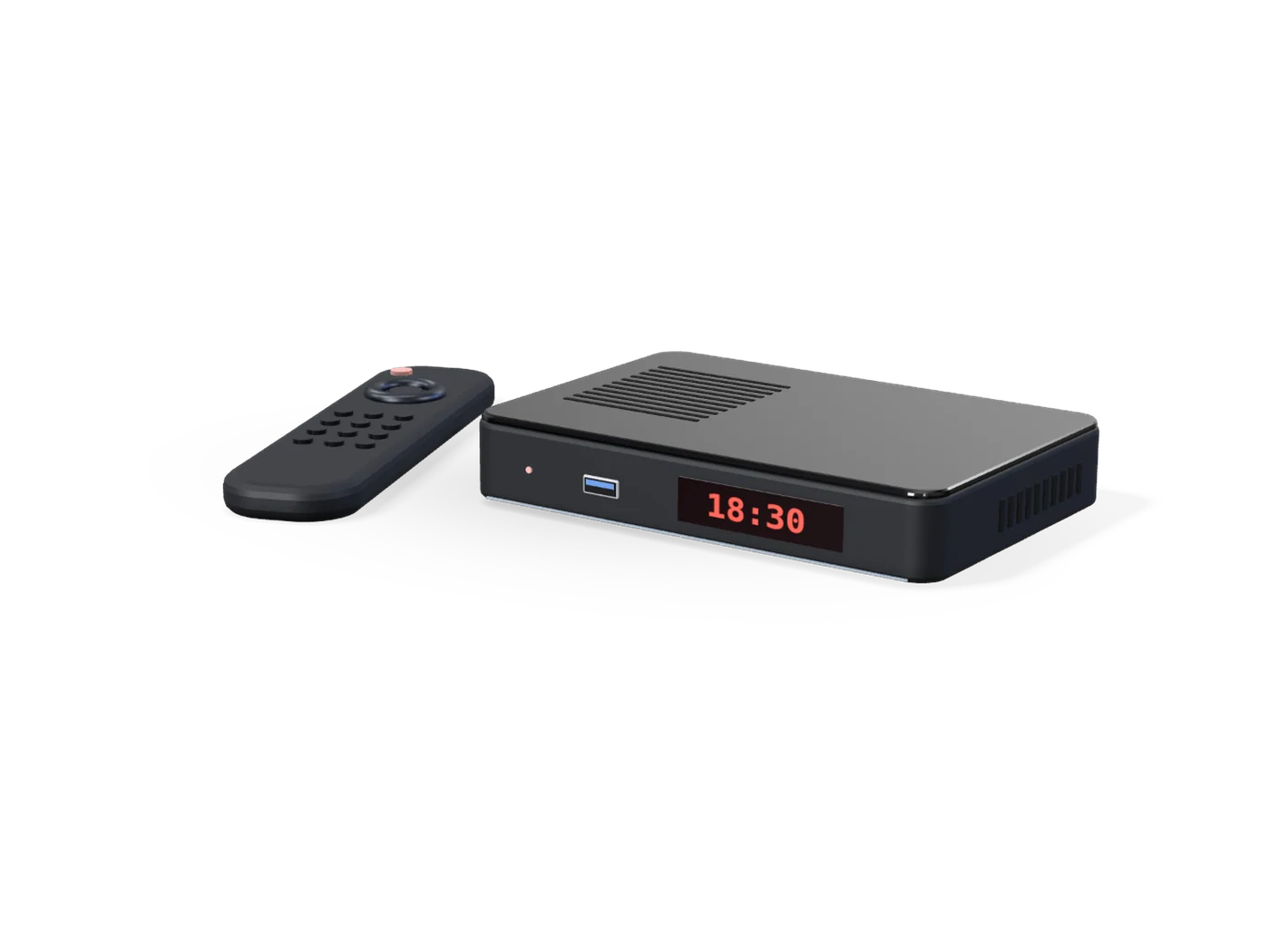
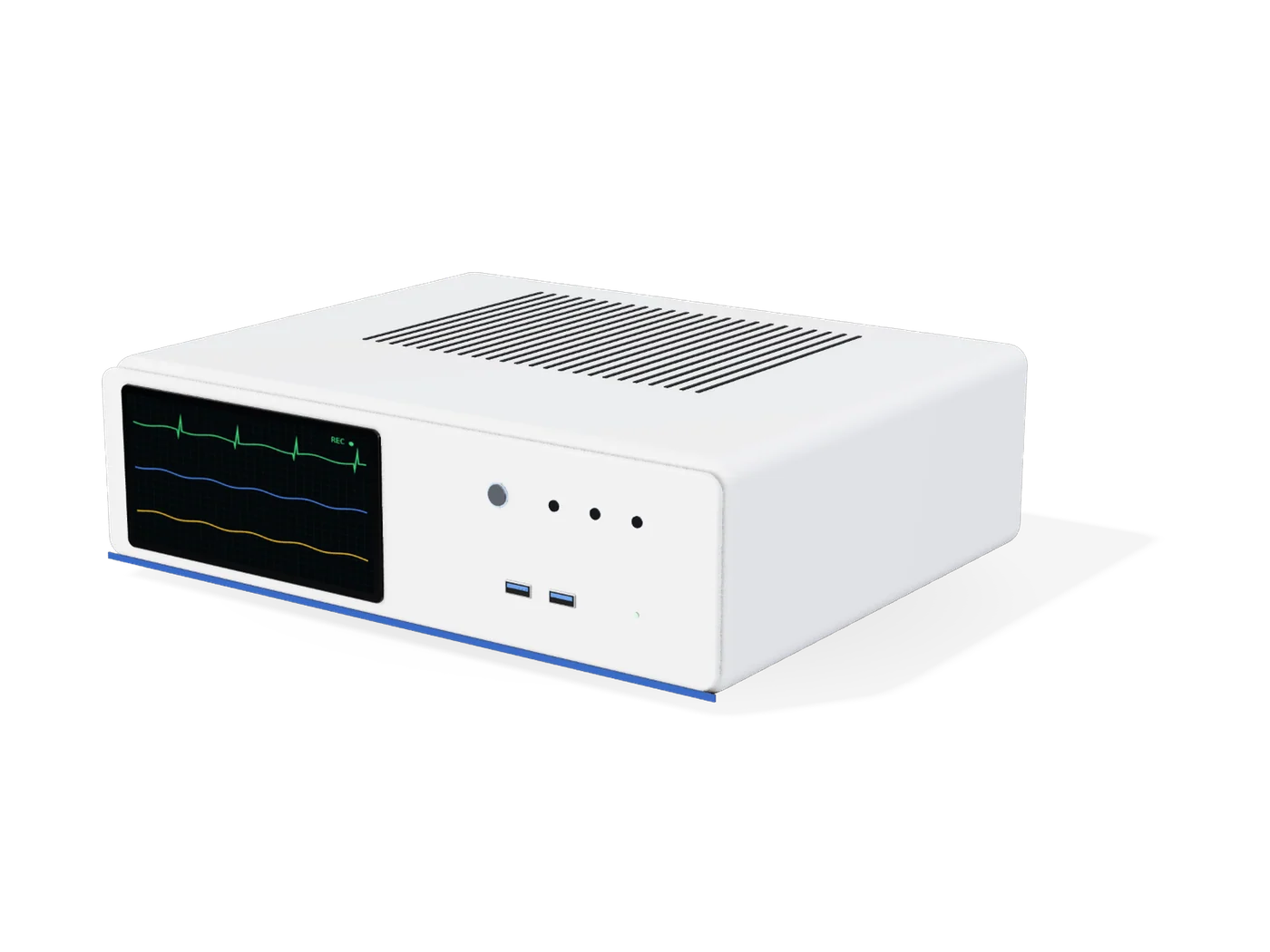
| Edge AI box | Runs AI models on video or sensor streams locally |
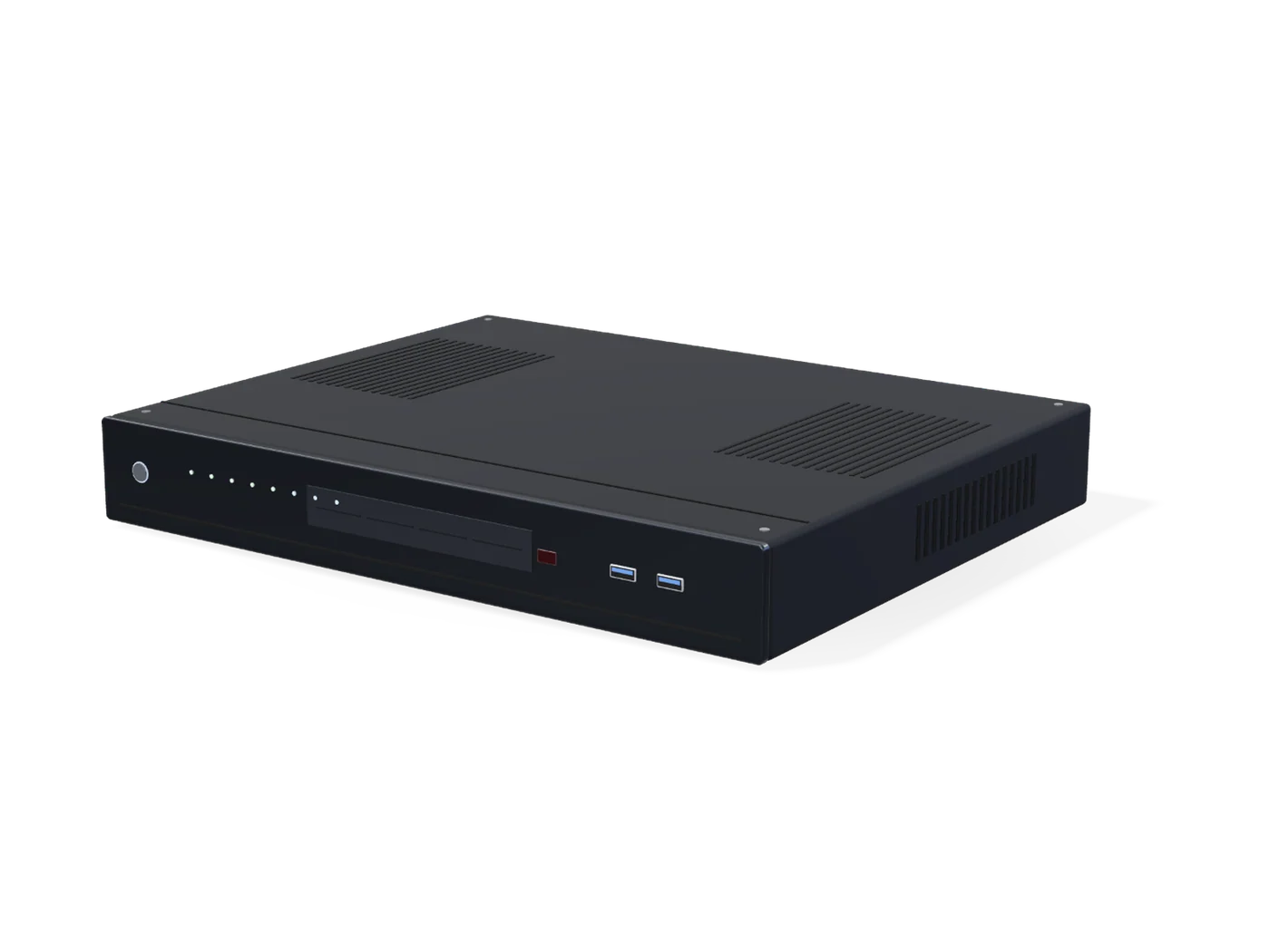
| AI NVR | Records cameras and runs video analytics in one device |
| Edge server | Consolidates several workloads at a branch or site |
Edge hardware selection checklist
- Workload: data volume, AI models, number of camera or sensor streams
- AI performance needed (and whether a GPU or NPU is required)
- Interfaces: Ethernet ports, serial (RS-232/485), CAN, digital I/O, USB
- Connectivity: wired, Wi-Fi, 4G/5G, LoRa or other radios
- Environment: temperature range, dust, moisture, vibration
- Cooling: fanless for dusty or sealed locations
- Power: input voltage range, power over Ethernet, battery or solar
- Mounting: DIN rail, wall, pole, rack or enclosure
- Remote management, secure boot and over-the-air updates
- Data storage and what happens when the link is down
- Certifications for the industry and any radios
- Product lifecycle: how long the same model will be available
Frequently asked questions
What is edge computing?
Processing data close to where it is generated, on gateways, industrial PCs or edge AI devices, rather than sending all of it to a central data centre or cloud.
When should I process data at the edge instead of the cloud?
When decisions must be fast, when sending raw data would cost too much bandwidth, when data should stay on site for privacy, or when the system must keep working offline.
What is the difference between an IoT gateway and an edge AI device?
An IoT gateway mainly collects, converts and forwards data from sensors. An edge AI device has the processing power, often a GPU or NPU, to run AI models such as video analytics locally.
What should I check before deploying edge hardware outdoors or in factories?
Temperature range, dust and moisture protection, vibration, fanless cooling, input power, mounting and remote management. Also confirm how long the model will remain available for replacements.
Can Panache build edge and IoT hardware under my brand?
Panache DigiLife offers OEM and ODM solutions under customer brands (white label). Product feasibility, customisation, minimum quantities, timelines and commercial terms are confirmed for each project after the team reviews your requirements.