

 Your brand. Built by Panache.
Laptop OEM and ODM: launching a laptop under your own brand
What a brand, distributor or enterprise should decide before asking a manufacturer to build laptops under its name, and the specification checklist we recommend sharing with any supplier.
Start with the user, not the processor
Most laptop programmes go wrong when the specification is written before the use case. Answer these first:
- Who uses it, and where? Office staff, students, field teams and developers need very different devices.
- What software must it run? List the heaviest application, the operating system and any device-management tools.
- How long must it last? A three-year fleet needs a different battery, warranty and spare-parts plan than a one-year promotion.
- How will it be bought? Retail, enterprise tender and government procurement each bring their own documentation and compliance needs.
OEM or ODM for a laptop?
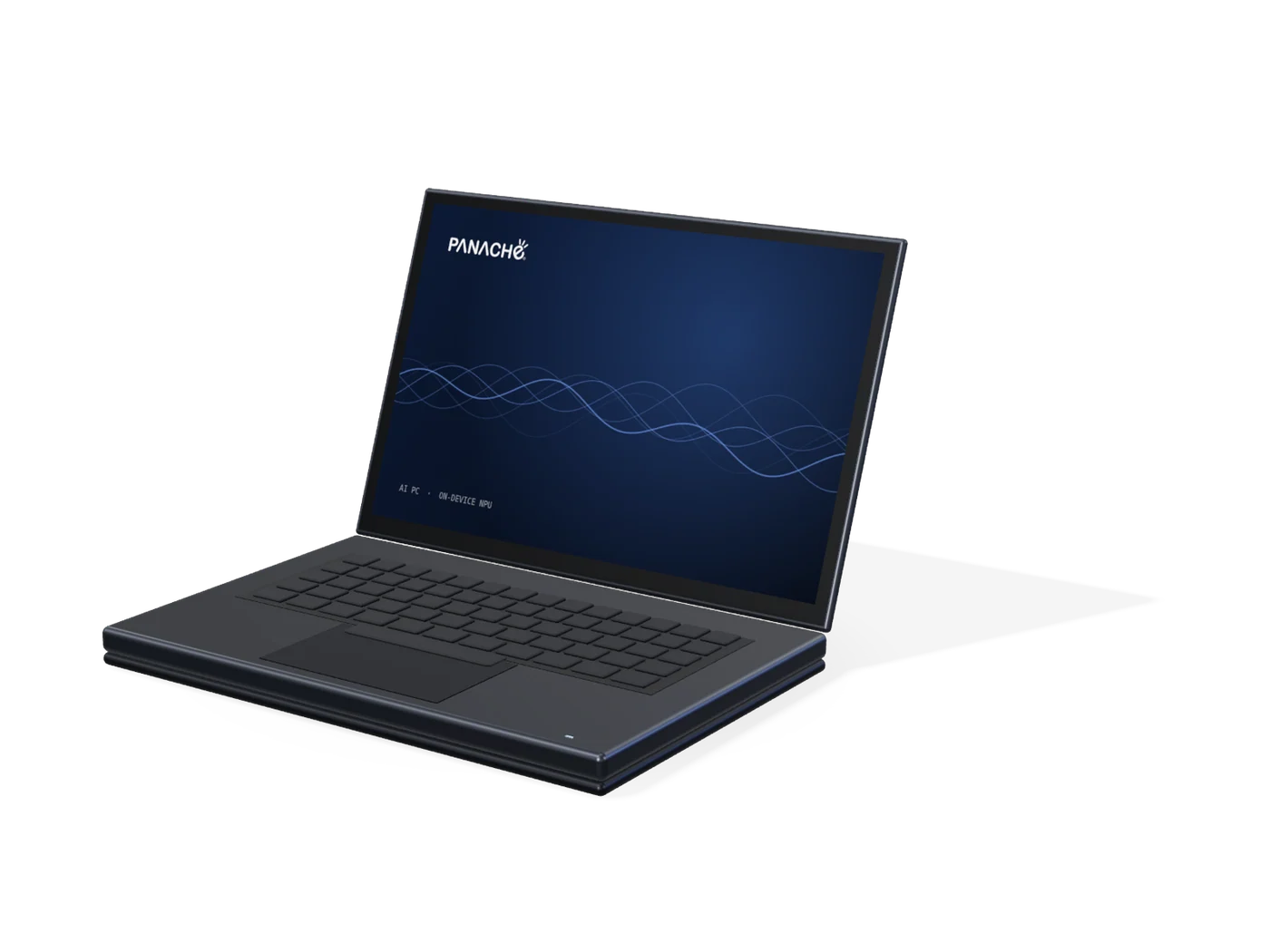
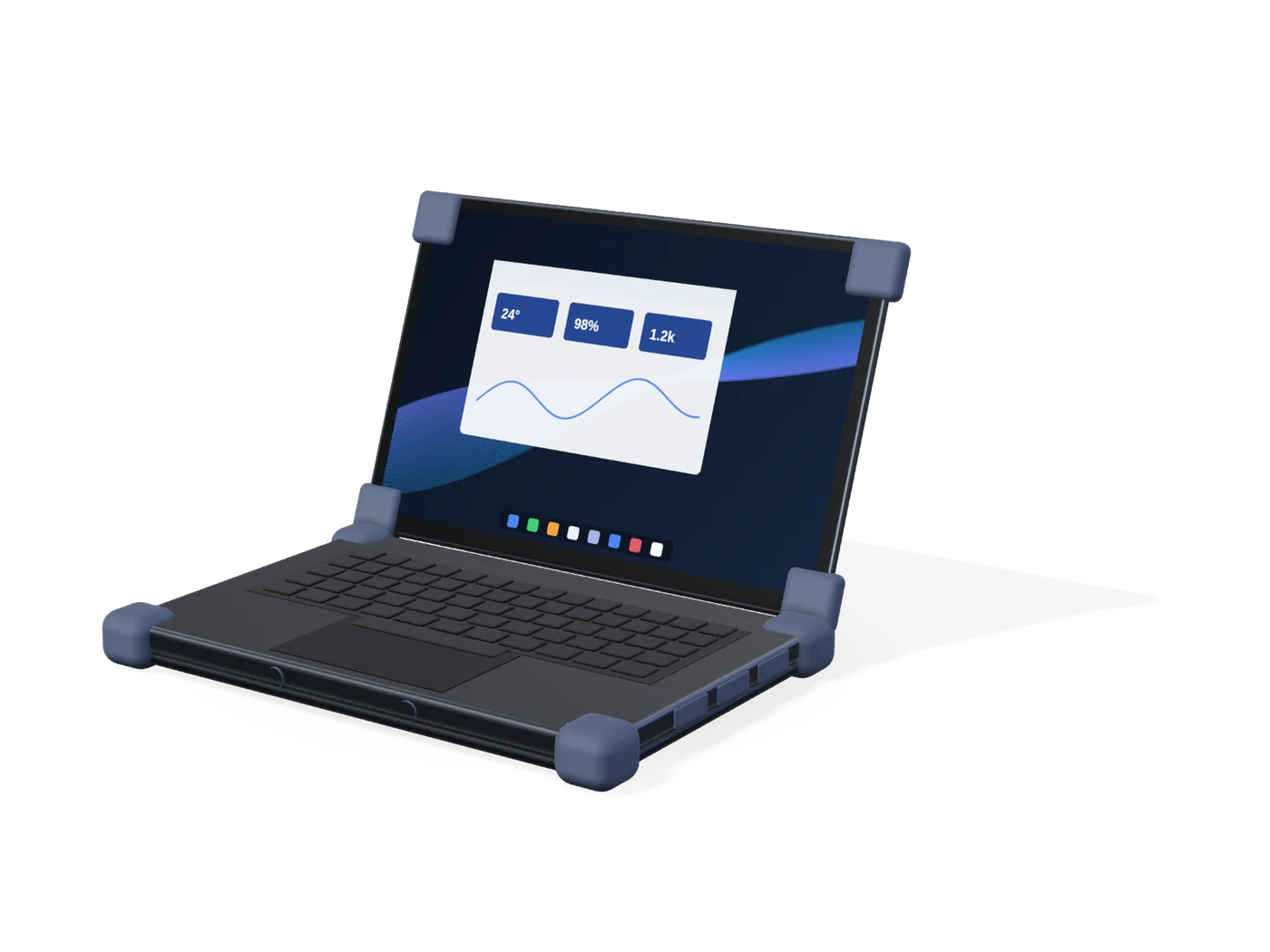
Designing a laptop from scratch takes significant engineering effort: motherboard, thermal design, chassis tooling, firmware and certification. Most own-brand laptop programmes therefore use the ODM model: a validated platform is configured (processor tier, memory, storage, display, battery, ports), finished (colours, logos, keyboard layout, packaging) and branded. A full OEM design makes sense when you need a form factor or feature no existing platform offers, and the volume justifies the engineering cost.
Business laptop specification checklist
Share this with every supplier so quotations can be compared like for like.
- Use case and heaviest workload, written in one paragraph
- Processor family and performance tier, plus any AI or NPU requirement
- Memory: size, type and whether it must be upgradeable
- Storage: capacity, type (SSD) and encryption needs
- Display: size, resolution, brightness, touch or non-touch, anti-glare
- Battery life target under your real workload, not a lab figure
- Ports: USB-C/USB-A, HDMI, Ethernet, card reader, audio
- Wireless: Wi-Fi generation, Bluetooth, optional 4G/5G
- Webcam, microphones and privacy shutter for video calls
- Keyboard layout and language, backlight, spill resistance
- Weight and durability expectations (drop, spill, hinge cycles)
- Operating system, licensing and pre-installed software image
- Security: TPM, fingerprint or face login, BIOS password, device management
- Branding: logo positions, boot screen, colours, packaging, documentation
- Certifications required for your market and sales channel
- Warranty period, on-site or carry-in service, spare-part availability
- Quantities: pilot, first order and forecast for 12 months
- Delivery schedule and incoterms
Validation: what to test before you sign off
Ask the manufacturer which tests are run at each stage and request the reports. Typical checks include thermal performance under sustained load, battery run-down, drop and hinge-cycle tests, keyboard and port durability, wireless performance, and electrical safety. For a rugged laptop, define the durability standard you expect up front.
Compliance in India
Laptops, notebooks and tablets are covered by BIS's Compulsory Registration Scheme (IS 13252 Part 1), so each model must carry a valid registration before sale. Wireless modules may need WPC approval, and producers have e-waste EPR obligations. Our procurement and compliance guide explains how to verify these.
Frequently asked questions
What should a business consider before sourcing laptops under its own brand?
Consider the target user, workload, display, processor platform, memory, storage, connectivity, operating system, compliance requirements, validation process, warranty and expected quantities. Confirm available options with the manufacturer before finalising the specification.
Can laptop configurations be customised?
Usually yes, within the limits of the platform: processor tier, memory, storage, display, battery, ports, keyboard layout, colours, software image and branding are common options. Feasibility depends on the platform, components and order volume, so discuss your list with Panache.
What should be included in a laptop manufacturing RFQ?
The intended application, target configuration, expected quantities, branding requirements, compliance needs, software image, packaging expectations, warranty terms and the requested delivery schedule. The checklist on this page covers each item.
Is ODM or OEM better for a first laptop launch?
For most first launches ODM is faster and lower-risk, because the platform is already designed and validated. OEM is worth considering when you need a unique design and the volume supports the engineering investment.
Do own-brand laptops need BIS registration in India?
Laptops, notebooks and tablets are listed under BIS's Compulsory Registration Scheme, so each model needs a valid registration before it is sold. Plan who holds the registration at the start of the project, and confirm current requirements on the BIS website.